From Idea to a £25 Million Exit: The Story of Jimmy's Iced Coffee
Here is the detailed story of how Jimmy's Iced Coffee went from a hungover realisation in an Australian petrol station to a massive acquisition by Britvic.
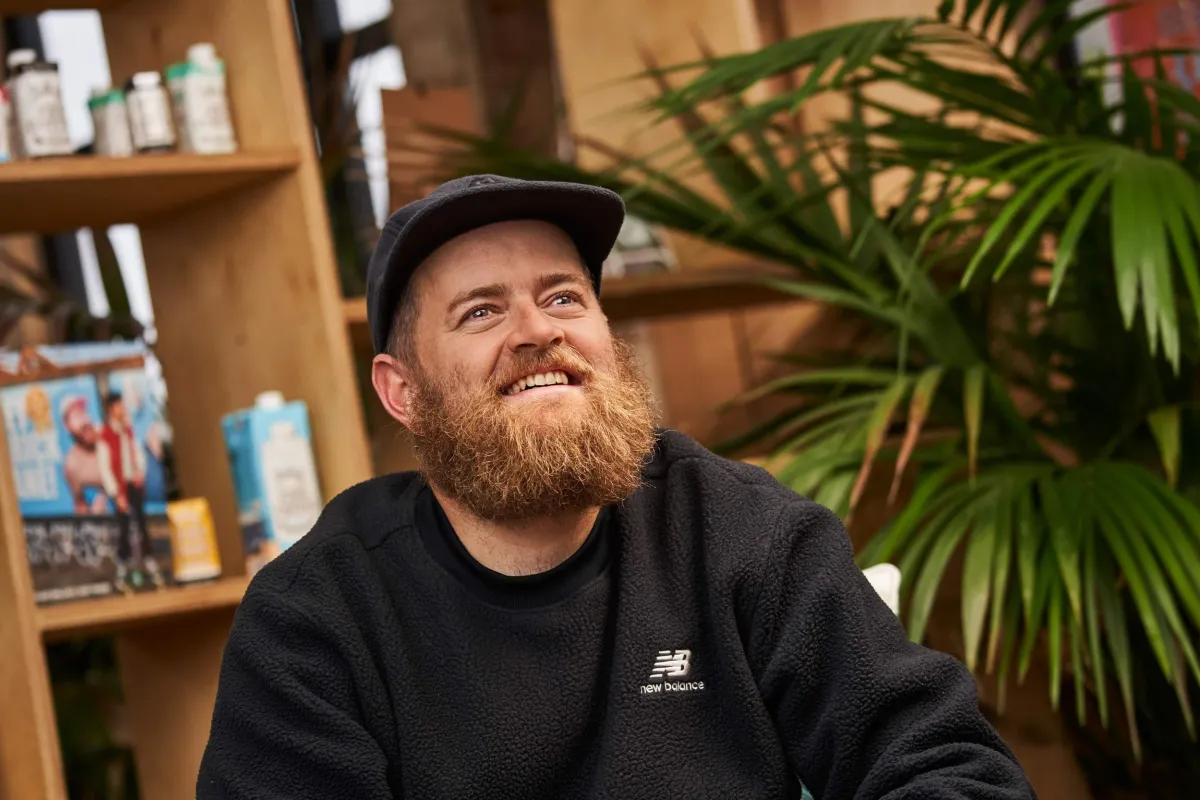
Every great business starts with a problem, but for Jim Cregan, the founder of Jimmy’s Iced Coffee, the problem was simply that his life was miserable. At 27, he was earning £50 a day working grueling winter jobs digging holes and building beach huts, and spending his summers as a festival host dressed up as a mermaid. Desperate to escape the UK winter, he and his girlfriend bought one-way tickets to Australia - a trip that would ultimately spawn a £25 million iced coffee empire
Here is the story of how Jimmy's Iced Coffee went from a hungover realisation in an Australian petrol station to a massive acquisition by Britvic.
The "Aha!" Moment
While driving through Australia nursing a "monstrous hangover" from boxed wine, Jim stumbled into a petrol station and found a carton of Farmers Union Iced Coffee. Intrigued by the branding, he bought one, chugged it in the sun, and immediately felt it change his life. He became obsessed, drinking up to 1.8 liters of it a day.
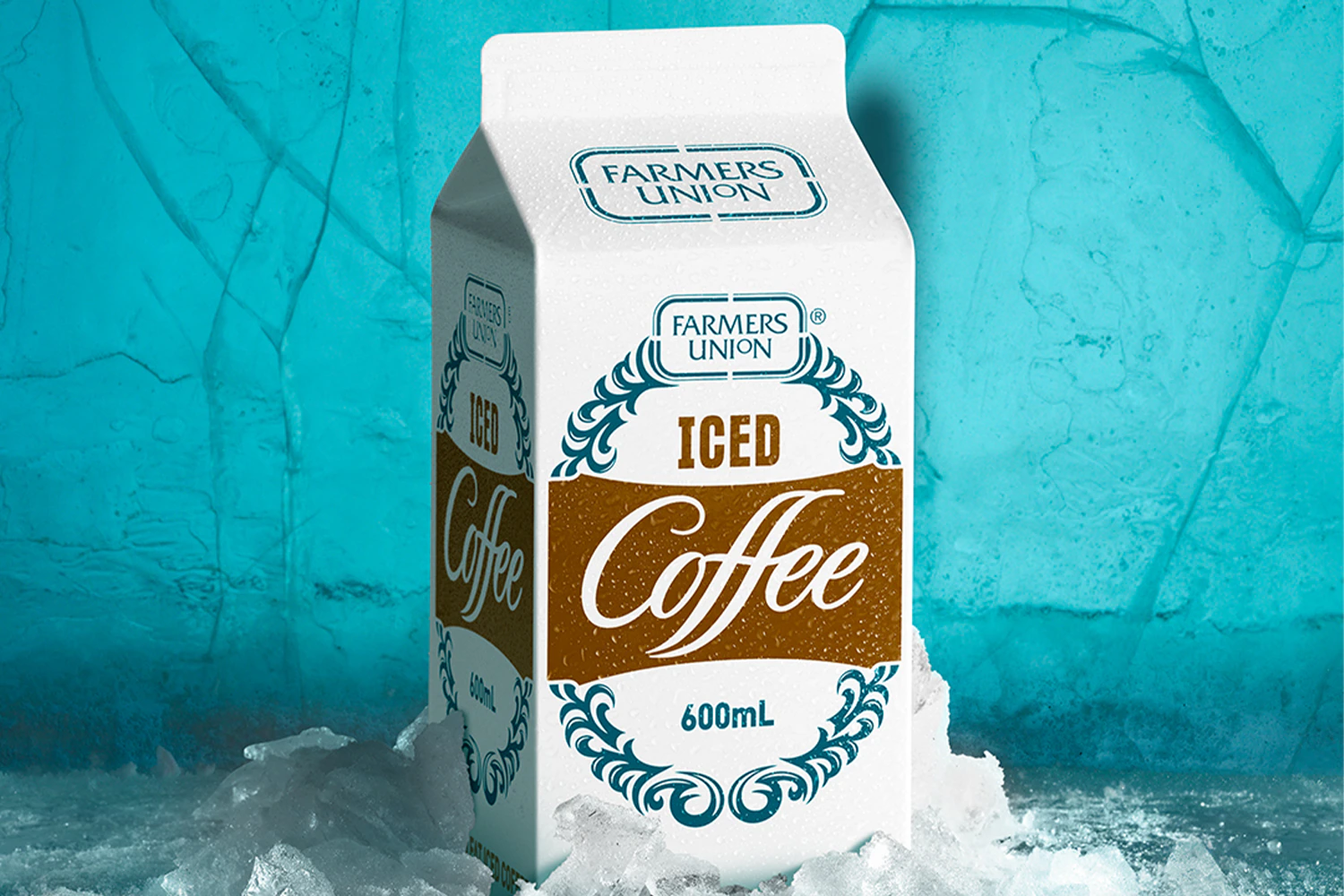
Jim reached out to the Australian company from his unprofessional Hotmail address, begging them to let him bring their brand to the UK, but they rejected him. Undeterred, Jim returned to the UK, binned his festival costumes, and partnered with his sister, who was running a coffee shop, to create their own version. Armed with a loan from their parents and a simple A4 sheet outlining their vision, they formed Jimmy's Limited in November 2010.
The Ultimate Hustle: Launching the Brand
The early days were defined by pure, naive hustle. They didn't even know where to buy a barcode, yet just four months after forming the company, they successfully pitched and launched in Selfridges on April 7, 2011. Jim secured the meeting simply by calling their HQ, explaining he was a former stage mermaid who found a great iced coffee in Australia, and asking how to get into their store.
To secure a listing in Whole Foods, Jim showed up at their delivery bay unannounced and talked his way up to the fourth-floor reception. When a buyer walked by, he pulled a sample out of a box, and she immediately said they had been looking for something exactly like it.
Jim and his sister did their own deliveries, waking up at 3:00 AM to drive from Dorset to London. To drive sales at the store level, Jim engaged in relentless guerrilla marketing:
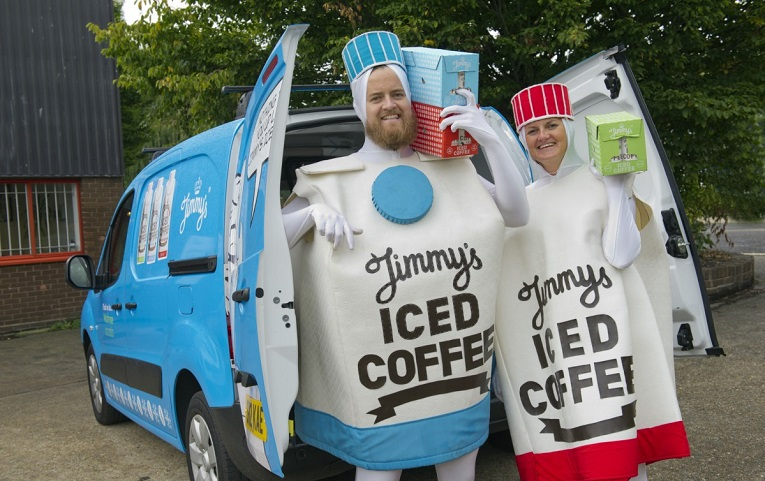
The Carton Costume: Jim's friend made him an incredibly uncomfortable giant iced coffee carton costume out of table underlay. He stood outside Waitrose stores giving out business cards just to tell people the product existed.
The "Soft Drink Advisor": He went into a high-turnover Tesco Metro store, unpacked the stock himself, and stood in the aisles at lunchtime pretending to be a "soft drink advisor," recommending iced coffee to pair with customers' prawn sandwiches.
Nailing the "Three Pillars": Branding, Packaging, and Ingredients
Jim believed a product needed three things to perfectly dance together: branding, packaging, and ingredients.
Branding: Originally named "Kingdom Ice Coffee," they pivoted to "Jimmy's" as an ode to Australians adding an 'o' or 'y' to everyone's name. They kept the design simple, focusing on clean communication that told the consumer exactly what was in the package.
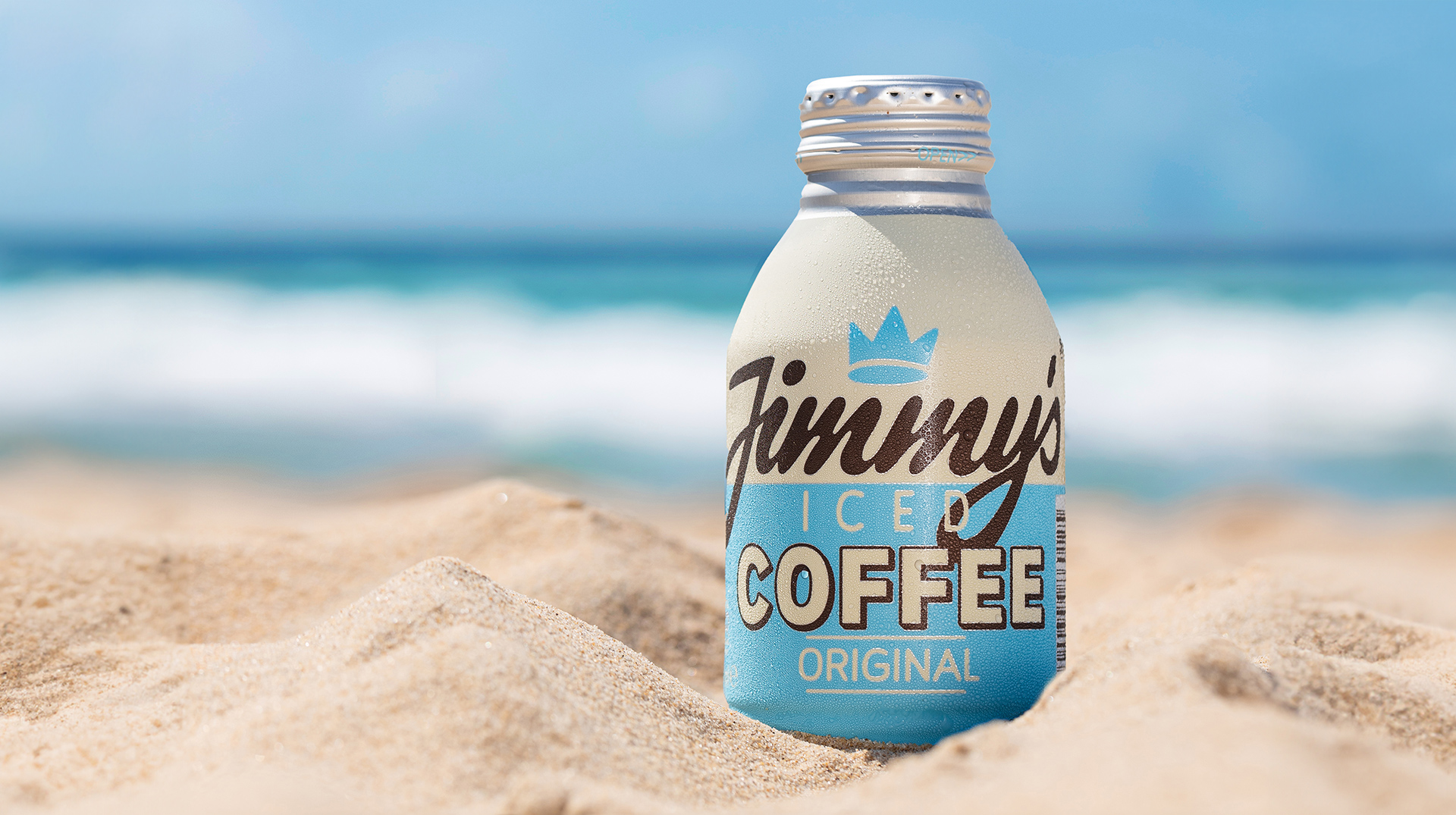
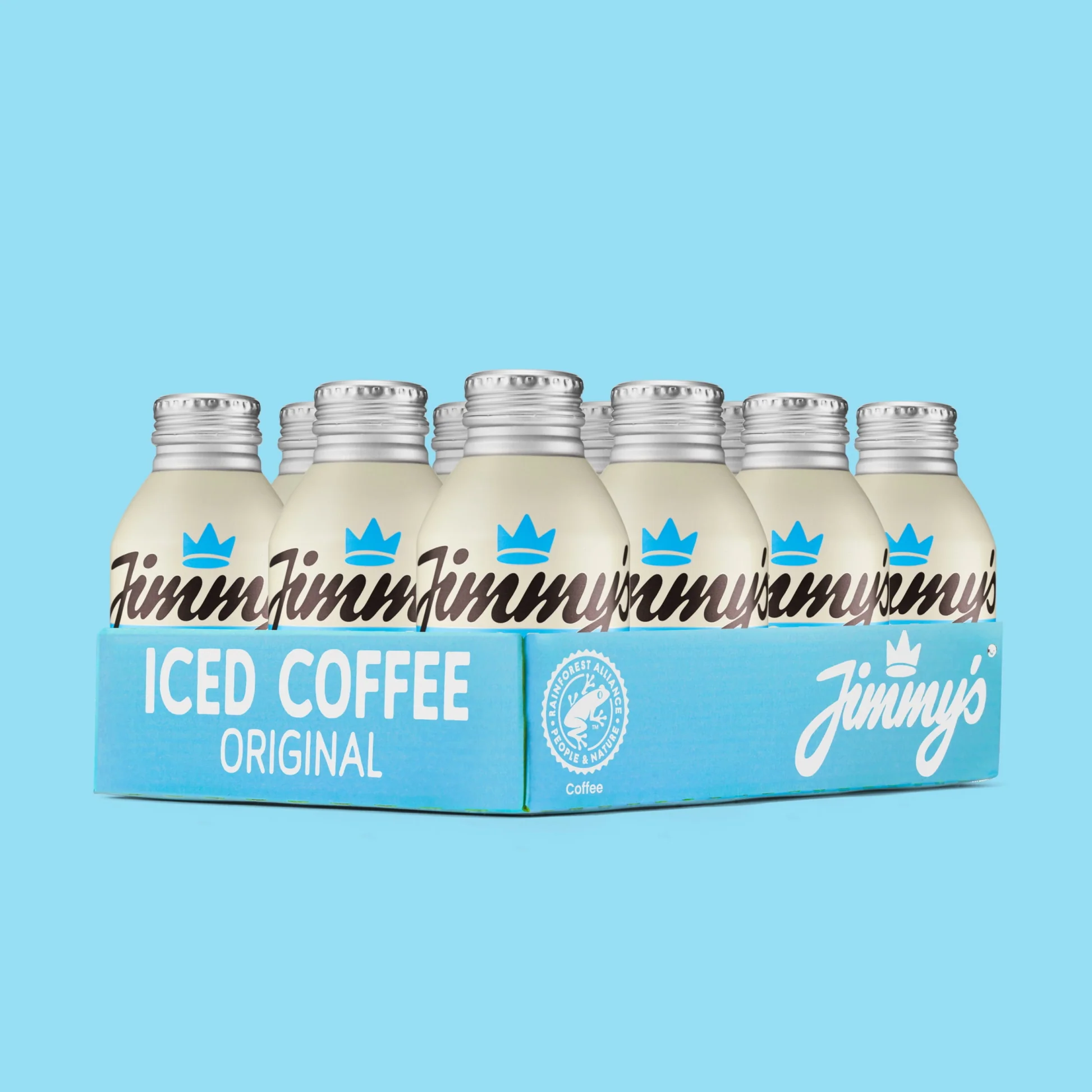
The "Bottle Can" Revolution: Jimmy's started in short-shelf-life cartons and then moved to ambient Tetra Paks, but the real game-changer was discovering the "bottle can" (a hybrid between a bottle and a can). Though notoriously difficult to manufacture and secure from Japan, the wide-mouth, 38mm "gluggable" format kept the coffee colder for longer and stood out on shelves. Switching to this format doubled their rate of sale in Marks & Spencer within a month.
Building a Cult Community
Jimmy's didn't just sell coffee; they built a highly engaged community. When the COVID-19 pandemic hit, they heavily pushed their Direct-to-Consumer (DTC) channels, which exploded in popularity.
Their secret weapon was hyper-personalised, human customer service. When customers requested drawings of giraffes in their delivery notes, the team would manually draw them. When a customer complained on Twitter that drinking a Jimmy's on a train nearly made him soil himself, Jim didn't send a corporate apology; he sent the man a free case of coffee packed with a roll of toilet paper, instantly winning over a customer for life. Jim also personally ran the brand's social media from 6:00 AM to 11:00 PM for the first seven years.
Failures and Founder Lessons
The journey wasn't without dark days. A massive early failure involved producing a 1-liter carton format with a short 60-day shelf life. The volume was too big of a risk for new customers, and they ended up having to destroy massive amounts of stock, watching a commercial recycling grabber squeeze pallets of their iced coffee like a sponge onto the floor.
Reflecting on the journey, Jim's greatest advice to founders is to "hurry slowly." He stresses the importance of being methodical, sleeping on big decisions for 24 hours to avoid taking on unnecessary tasks, and knowing why you are building the business (passion vs. just wanting to get rich).
The Britvic Acquisition
After years of grinding, Piper Sandler (an M&A firm) helped guide Jimmy's toward an exit. Though they had been turning down the M&A firm since they were only making £2 million in turnover, they eventually received interest from a direct competitor. This triggered a formal process where teaser documents were sent to their "buying universe," leading to several meetings.
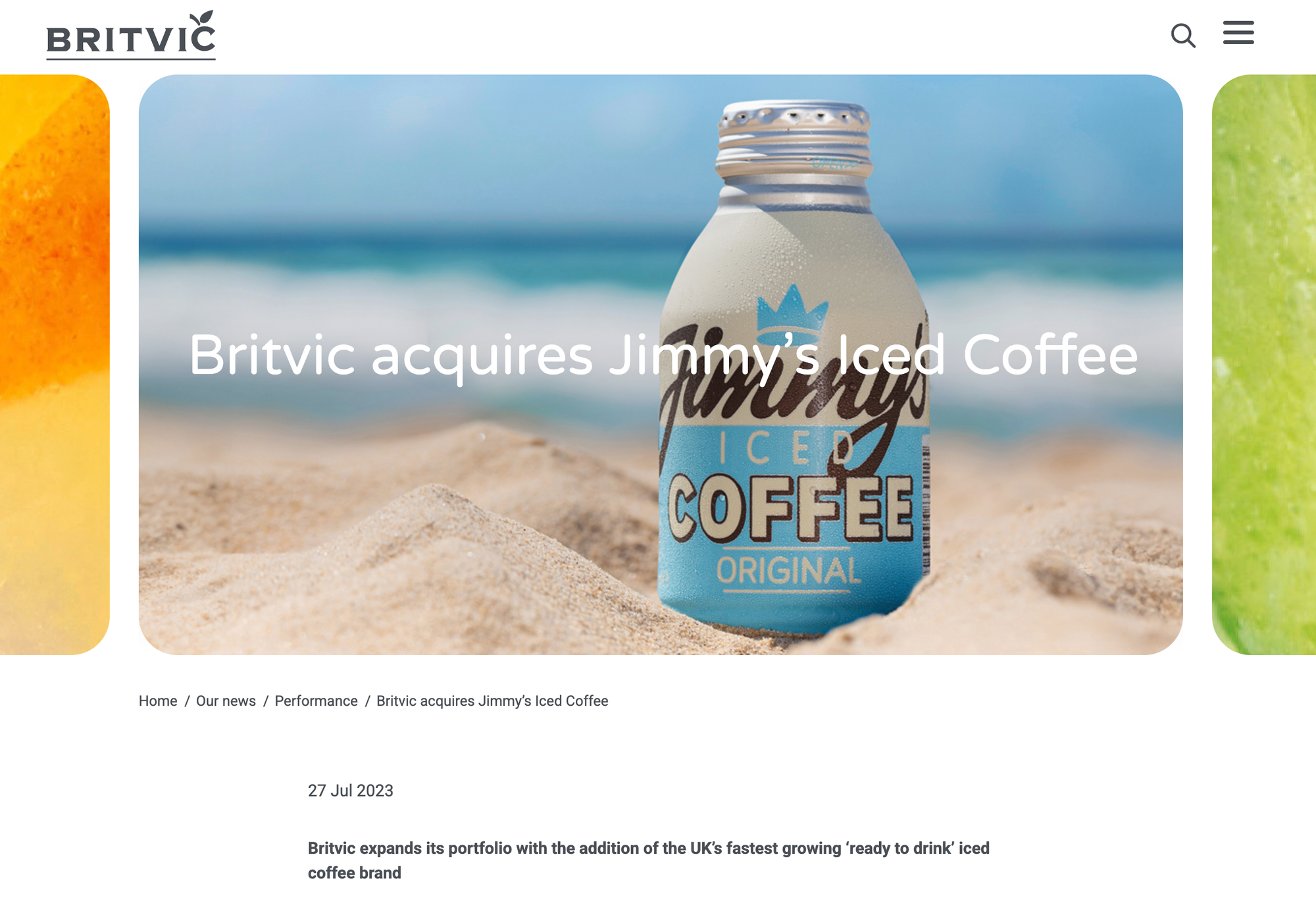
Ultimately, Britvic put in the winning offer. Jim chose them not just for the deal, but because Britvic had the resources to let the brand truly fly, while maintaining a small-team, agile focus dedicated to the Jimmy's brand.
Today, Jim has officially exited the business. After taking a year off to make packed lunches for his kids and go on holidays, he has now started a consultancy called "Beyond the Trees" to help other small businesses navigate the exact same hurdles he overcame to build his iced coffee empire.